Explore What Leads to These Common Issues in Walls
Drywall is a popular choice for walls because it is affordable, easy to install, and offers a smooth finish. However, problems like cracks and holes can sometimes appear. Understanding why these issues happen is crucial to preventing them. By knowing what causes drywall damage, you can take steps to maintain your walls better.
Factors Contributing to Drywall Cracks
Various factors contribute to the formation of cracks in drywall. One significant cause is structural movement. Homes naturally settle over time, leading to shifts that may cause stress on the walls. Temperature fluctuations also play a role, as changes from hot to cold can make the drywall expand and contract. This constant movement weakens the material and leads to cracking.
The Role of Installation Errors
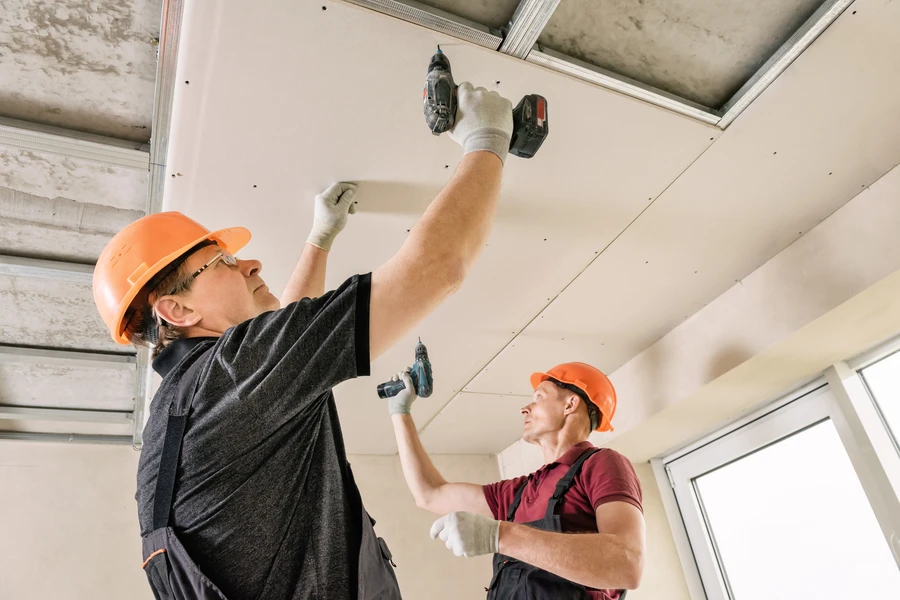
Poor installation practices can greatly impact the integrity of drywall. If the panels are not securely attached or if the wrong type of screws are used, it’s more likely that cracks will develop. Additionally, inadequate use of joint compound during installation can lead to weakened seams that become susceptible to damage.
Impact of Moisture on Drywall
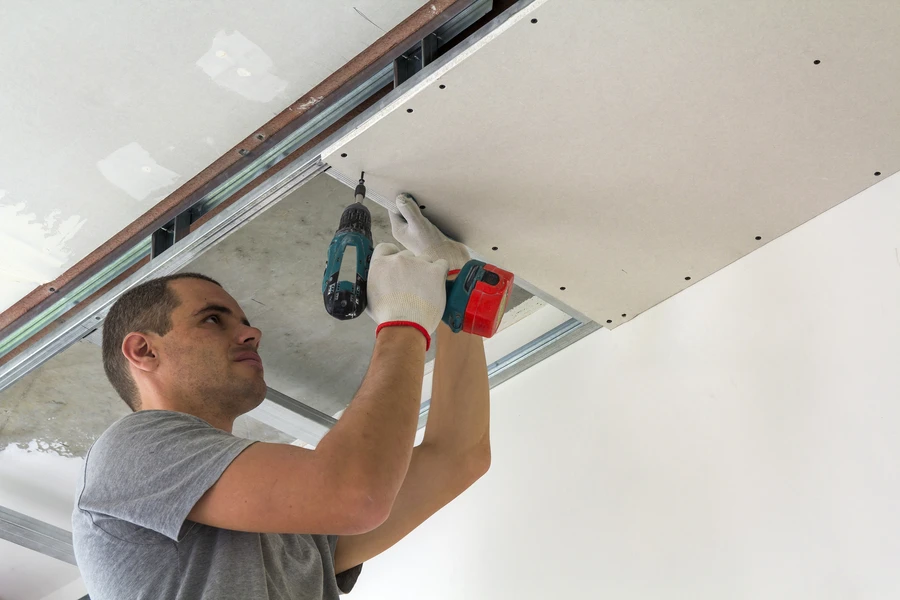
Moisture is another enemy of drywall. Excess humidity in a room can seep into the walls, leading to swelling and subsequent cracking. In some cases, water leaks from roofs or plumbing can cause severe damage by softening the drywall material. This often results in both cracks and larger holes that might require drywall repair.
Why Drywall Repair Is Essential
Neglecting cracks and holes in your drywall can lead to bigger issues down the road. Damaged areas may become entry points for pests or allow moisture to penetrate further, causing extensive internal damage. Timely drywall repair helps maintain the structural integrity and appearance of your walls, making it an essential part of home maintenance.
Common Types of Drywall Damage
There are several types of damage you might encounter with drywall:
- Hairline Cracks: Typically occur due to settling or minor structural shifts.
- Nail Pops: Result from nails pushing out from the wood framing behind the drywall.
- Dents and Dings: Often caused by impacts or accidents involving furniture or doors.
- Larger Holes: Usually need immediate attention due to their potential for further degradation.
Effective Solutions for Drywall Issues
Tackling drywall issues involves identifying the root cause and addressing it appropriately. For small hairline cracks, applying a fresh coat of paint after patching can suffice. Larger cracks or holes might require replacing a section of drywall altogether. It’s important to ensure any underlying structural issues are resolved to prevent recurrence.
Best Practices for Maintaining Drywall
Preventative measures can keep your drywall looking great. Here are some best practices:
- Avoid slamming doors or heavy impacts.
- Control indoor humidity levels with dehumidifiers if necessary.
- Conduct regular inspections for signs of wear or damage.
- Address any water leaks promptly to prevent extensive damage.
Professional Help With Wall Maintenance
If you’re unsure how to handle drywall problems, consider reaching out to professionals who specialize in this area. They have the expertise to assess your situation and recommend effective solutions tailored to your needs.
Your Go-To Solution for Wall Issues
When dealing with drywall challenges, timely intervention prevents costly repairs later. Based in Amherst, NH, we at Immaculate Dry Wall LLC in Amherst NH offer expert guidance and reliable services to resolve these issues effectively. Contact us today at (603) 696-3914 for professional assistance tailored to meet your specific needs.