Essential Steps and Considerations for Quality Results
When building a new home or office, the walls form the foundation of any interior space. Choosing the right materials is crucial for both aesthetics and functionality. Among these materials, drywall stands out due to its durability and versatility. In this article, we will explore the key aspects of using drywall in new construction projects, including its benefits, challenges, and installation process.
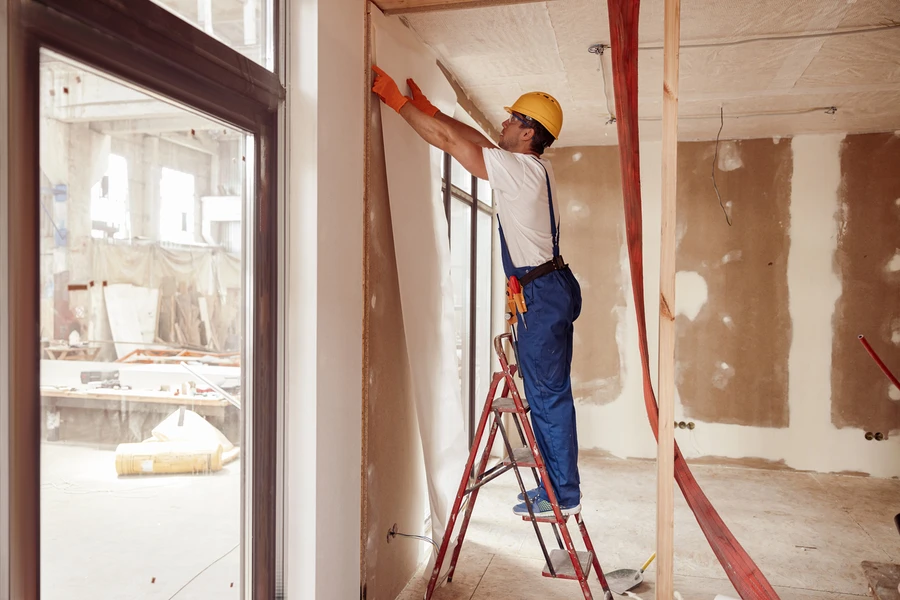
The Benefits of Using Drywall in Building Projects
Drywall offers several advantages that make it an ideal choice for new construction projects. First, it’s easy to install compared to traditional plastering methods, which reduces labor costs and project timelines. Drywall is also known for its excellent fire resistance and soundproofing properties. This means added safety and comfort for inhabitants. Furthermore, drywall provides a smooth surface ready for painting or wallpapering, offering flexibility in design choices.
Common Challenges in Installing Drywall
Despite its advantages, installing drywall can present some challenges. A major issue is ensuring a precise fit within the framework of a building. Improper measurements can lead to gaps or misaligned panels. Additionally, handling large panels requires skill to avoid damage during transportation and placement. Another concern is dealing with moisture-prone areas; incorrect installation may lead to mold growth and compromised structural integrity over time.
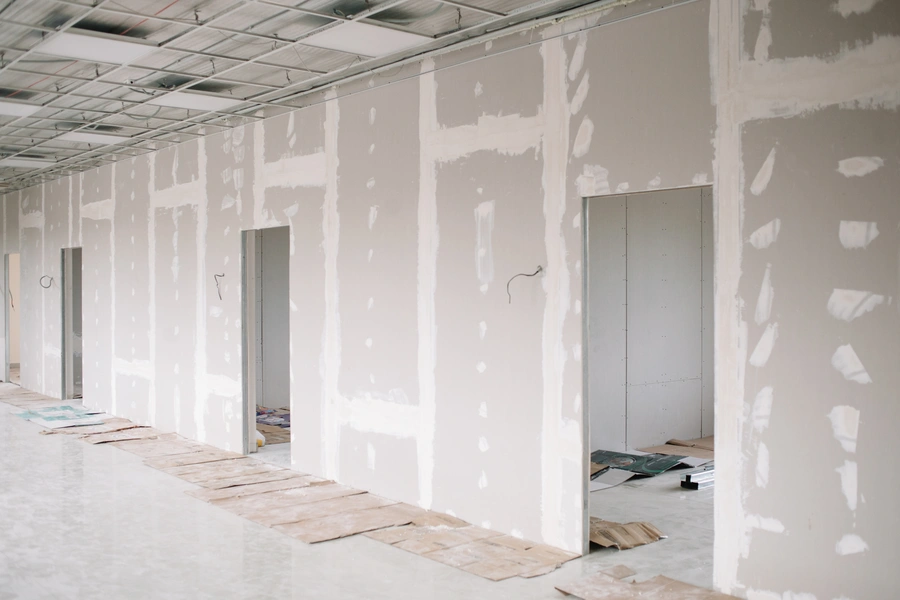
Key Steps for Effective Drywall Installation
Effective drywall installation starts with careful planning. Begin by measuring the space accurately to determine the number of panels required. Next, cut the drywall sheets to fit each section of the wall precisely. Install the panels from top to bottom, securing them with screws at regular intervals for stability. After placing the panels, tape the seams and apply joint compound to create smooth edges. Finally, sand the surfaces to prepare them for finishing touches like paint or wallpaper.
Best Practices and Tips for Success
Following industry best practices ensures a successful outcome when working on new construction projects involving drywall. Here are some tips:
- Always use quality materials to guarantee long-lasting results.
- Employ skilled contractors who have experience with drywall work.
- Ensure proper ventilation in rooms before installation to minimize moisture issues.
- Regularly inspect all tools and equipment to ensure safety and efficiency.
Understanding Industry Standards
Adhering to industry standards is vital for achieving quality outcomes in construction projects. The International Building Code (IBC) provides guidelines on the thickness and type of drywall suitable for various applications. Compliance with local regulations regarding fire ratings and sound control is also important. Always check these standards before starting your project to ensure legal conformity and optimal performance.
Cost Factors to Consider
The cost of drywall installation depends on several factors. Material quality, project size, and labor rates all play significant roles. While cheaper options might seem appealing, investing in higher-quality materials will pay off in the long run through durability and reduced maintenance needs. Calculate potential return on investment (ROI) by considering how these factors influence overall project costs and future savings.
Your Path to Successful Construction Projects
Choosing drywall for your new building venture ensures a reliable and efficient solution with multiple benefits. By understanding its challenges, following best practices, and adhering to industry standards, you can achieve outstanding results. For expert guidance and professional service, contact Immaculate Dry Wall LLC in Amherst NH today at (603) 696-3914. Our team is committed to serving clients throughout Amherst, NH, delivering excellence in every project we undertake.