Choosing the Right Tape for Your Project’s Needs
When tackling a drywall project, choosing the right tape is crucial. Two common types of tape are paper tape and mesh tape. Each has its own strengths and weaknesses that can affect your project’s outcome. Understanding these differences can help you make an informed decision that suits your specific needs. This guide will explore the advantages and challenges of each type to ensure your drywall finish is flawless.
The Benefits of Using Paper Tape
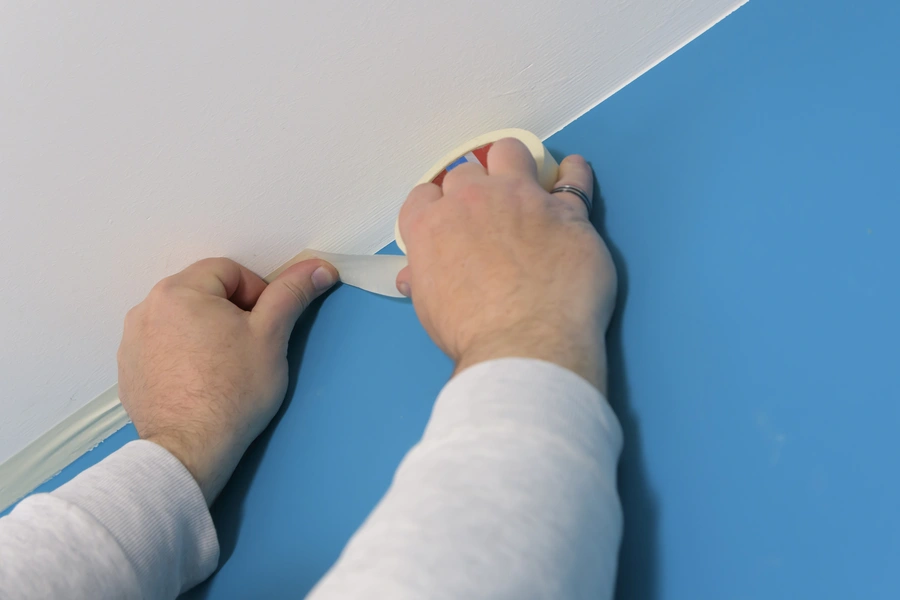
Paper tape is a popular choice in drywall projects for several reasons. It provides excellent adhesion when used with joint compound, which helps create a smooth surface. Additionally, it offers strong resistance against cracking over time, making it ideal for preventing long-term damage. Many professionals prefer paper tape because of its ability to seamlessly blend with drywall surfaces.
Advantages of Mesh Tape
Mesh tape offers distinct benefits compared to paper tape. One major advantage is its self-adhesive nature, which makes application quicker and easier. Mesh tape is also more resistant to mold growth due to its fiberglass composition, making it a great choice for areas prone to moisture. For those new to drywall taping, mesh tape can be forgiving during the installation process.
Common Challenges With Paper Tape
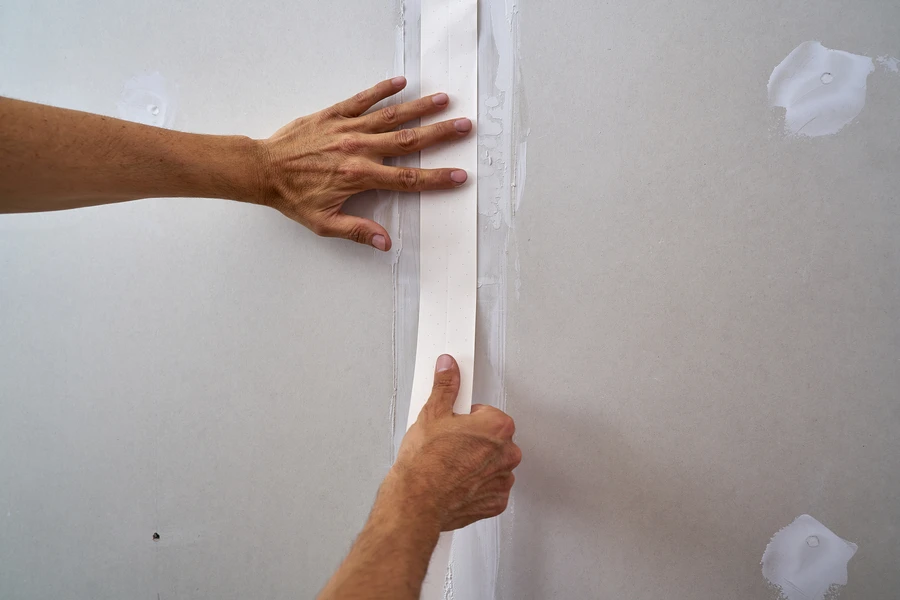
While paper tape has many benefits, it does come with some challenges. Applying paper tape requires a bit more skill, especially for beginners. It often needs to be embedded in a layer of joint compound, increasing the complexity of the process. If not applied correctly, bubbles or tears may occur, impacting the quality of the finish. These challenges necessitate careful handling during drywall taping.
Tackling Issues With Mesh Tape
Although mesh tape simplifies some aspects of drywall work, it comes with its own set of problems. The open weave structure may not provide the same level of strength as paper tape, especially in high-stress areas such as corners. Moreover, mesh tape typically requires additional layers of joint compound to achieve a smooth finish, which can lead to higher material costs and longer drying times.
Best Practices for Successful Drywall Projects
To achieve a smooth and durable finish on your drywall projects, consider the following best practices:
- Ensure all surfaces are clean and dry before starting.
- Select the appropriate tape based on the specific needs of your project.
- Use consistent pressure when applying tape to avoid bubbles or wrinkles.
- Apply multiple layers of joint compound if needed, allowing adequate drying time between each layer.
- Smooth out any ridges or imperfections by sanding once compounds have fully dried.
Understanding Industry Standards for Drywall Taping
When working on drywall projects, it’s essential to adhere to industry standards. Both paper and mesh tapes have their place within these guidelines. For professional results, ensure you’re using products that meet ASTM standards for quality assurance. Adhering to these regulations helps prevent issues related to durability and safety down the line.
Cost Considerations for Your Project
The cost can significantly influence your decision when choosing between paper and mesh tapes. Paper tape tends to be less expensive upfront but may require more labor for installation. On the other hand, mesh tape is pricier but can save time during application. Evaluate both material costs and labor expenses to determine the most cost-effective solution for your project requirements.
Final Recommendations for Drywall Tape Selection
Ultimately, the choice between paper tape and mesh tape depends on your project’s specific needs. If you’re seeking long-term durability in low-moisture areas, paper tape might be your best bet. However, if ease of use and mold resistance are priorities, mesh tape could serve you better. Contact Immaculate Dry Wall LLC in Amherst NH at (603) 696-3914 for expert guidance tailored to your requirements. Based in Amherst, NH, we offer comprehensive services to ensure your drywall projects stand the test of time.